Pottery
Traditional Fes pottery: styles, techniques, and how to experience them
Fes is widely associated with refined ceramic traditions, from everyday vessels to decorative pieces often linked with the city’s distinctive blue palette. Whether you plan to observe a craft neighborhood or join a workshop, understanding the main techniques helps you ask better questions and choose an experience that matches your curiosity.
9 min read
Why Fes pottery draws so much attention
Visitors often notice ceramics throughout Morocco, yet Fes has a particular reputation for glazed ware and carefully finished surfaces. That reputation comes from long-standing workshop practices in and around the city, where clay work, glazing, and decoration are frequently taught and refined over years.
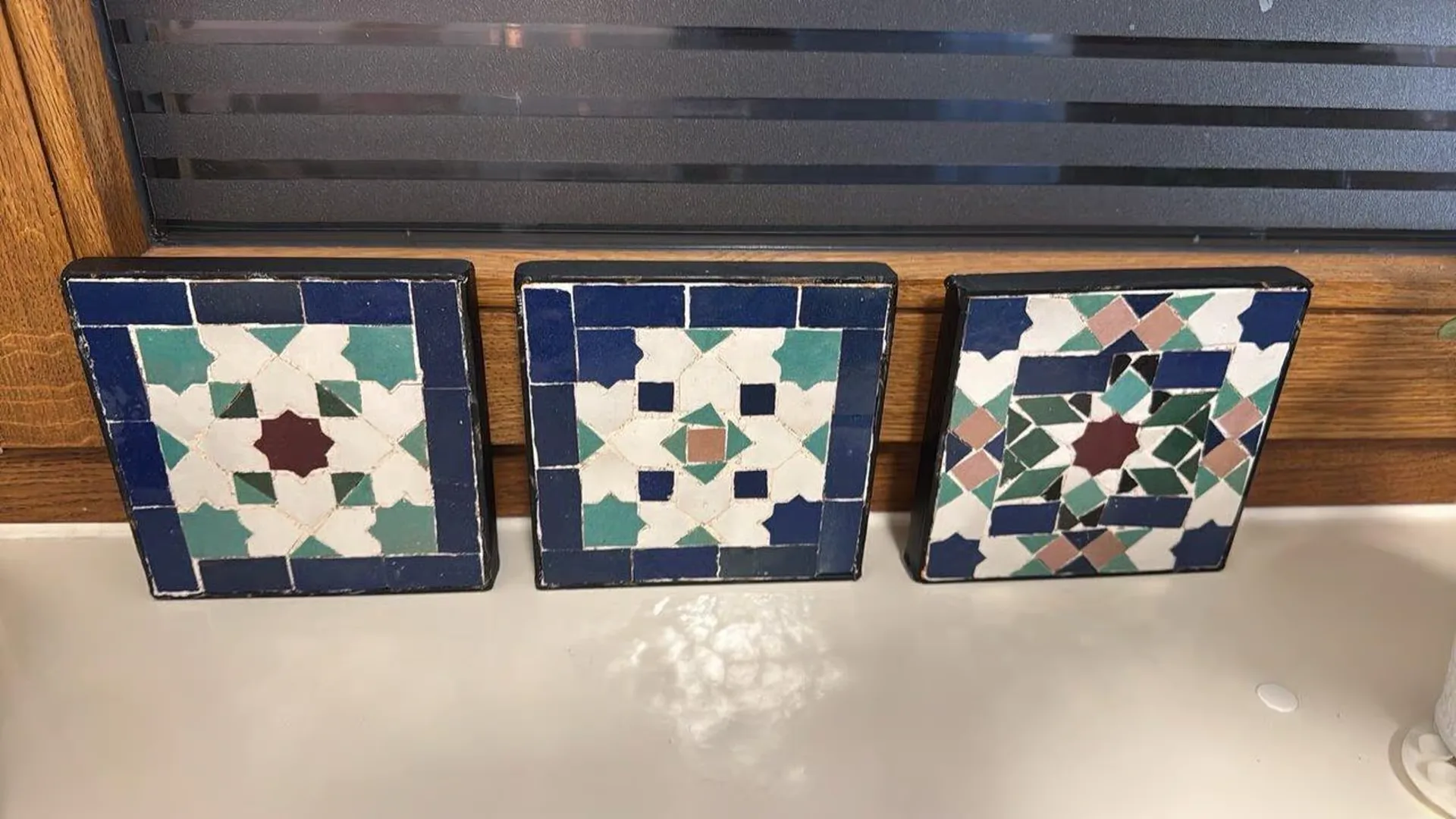
You do not need to become a ceramics historian to enjoy the craft. A useful starting point is simply noticing form, glaze color, and surface decoration: some pieces emphasize silhouette and utility, while others showcase painted motifs or mosaic inlays.
Bleu de Fès and other visual signatures
“Bleu de Fès” is a familiar label for ceramics associated with Fes that feature cool blue tones on a light ground. In practice, shades, motifs, and quality vary widely between makers and workshops, so treat the name as a stylistic reference rather than a single fixed recipe.
Alongside blue-and-white decoration, you may also encounter earth-toned glazes, green accents, geometric bands, and floral or calligraphic-inspired motifs. Looking at several pieces side by side often reveals how much “Fes pottery” is a family of approaches rather than one identical look.
From clay body to glaze: a typical process outline
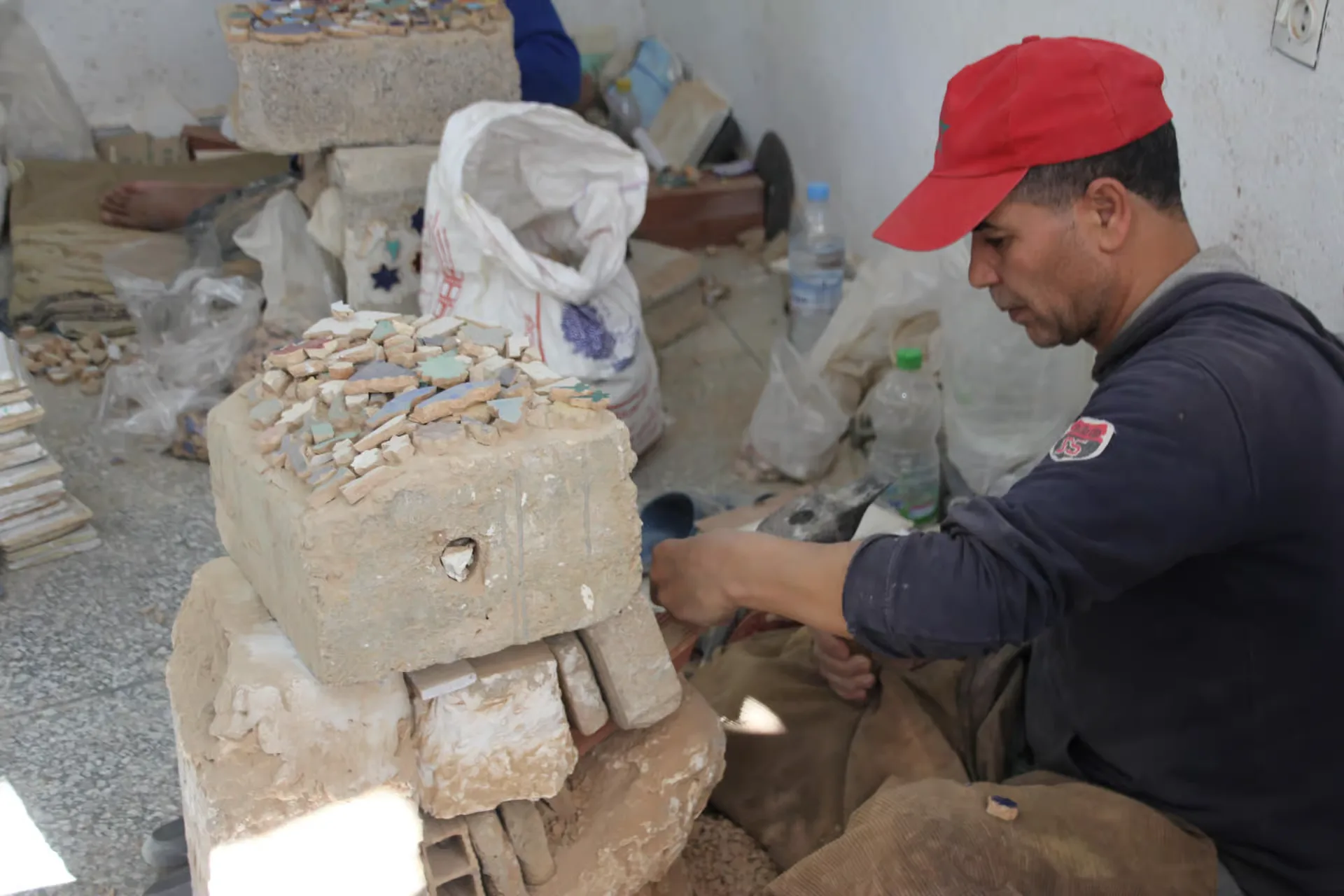
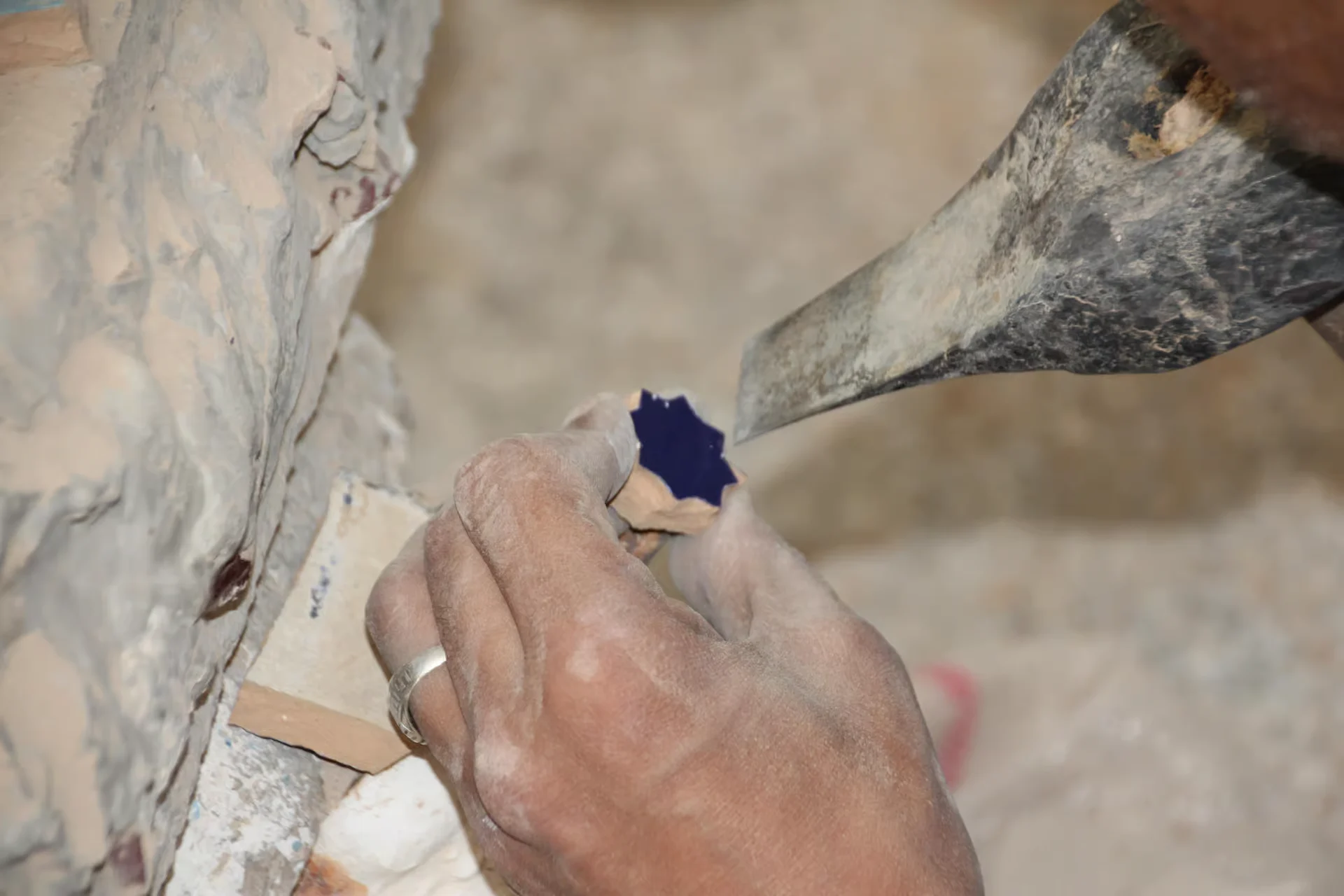
Traditional ceramic work usually moves through stages: preparing clay, shaping (by hand, coil, slab, or wheel), drying, bisque firing when the workshop fires pieces, then glazing and decorating before a further firing. Exact sequences depend on the studio’s setup and the object being made.
In a short visitor workshop, you will often sample only part of that chain—such as shaping or decorating—because full drying and kiln cycles take longer than a single session. Asking what you will complete on the day, and what happens afterward, keeps expectations realistic.
Observing artisans versus joining a workshop
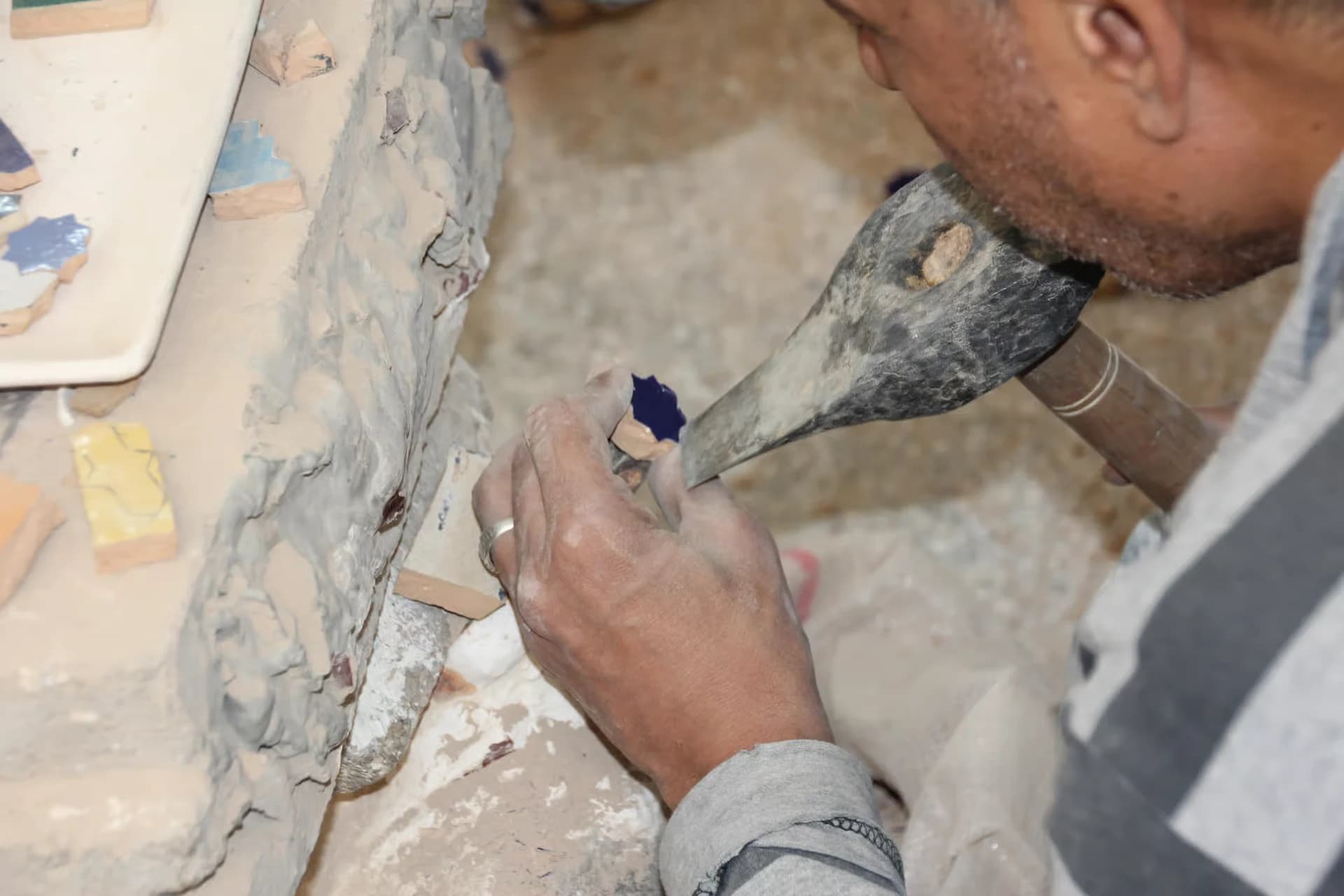
Watching skilled makers can be fascinating: you see speed, precision, and tools used with muscle memory. Observation alone, however, rarely lets you feel clay resistance, glaze flow, or how small hand movements change a pattern.
A guided workshop shifts the focus to your own hands. You learn through doing, usually with simplified steps suited to beginners. If you want both perspectives, many travelers combine a neighborhood visit with a booked session—just confirm logistics directly with the organizer rather than assuming every site offers both.
What a pottery session may include
Hands-on pottery experiences in Fes commonly involve shaping or decorating a small piece, sometimes with mosaic elements added to a ceramic surface. Formats differ by host: some emphasize the wheel, others hand-building, and others surface decoration.
At Workshop Fès Pottery in Ain Nokbi, visitors can explore pottery combined with mosaic work in a workshop setting. Details such as duration, materials, and what you take home should be confirmed when you enquire—prices are shared on request.
How to look closely at a finished piece
When you examine ceramics, notice the foot of the vessel, the evenness of the glaze, and whether painted lines stay crisp at the edges. Slight irregularities can be part of handmade character; large cracks or unstable bases are different quality signals.
If you are shopping elsewhere in the city, ask about firing and intended use (decorative versus food-safe). Workshop Fès Pottery focuses on workshops rather than operating as a pottery shop or factory, so treat buying and learning as separate decisions unless an organizer clearly states otherwise.
A practical next step if you want to try it
If traditional Fes pottery techniques are what drew you here, start by deciding whether you prefer shaping clay, painting prepared ceramics, or working with geometric mosaic. Each path teaches a different skill set.
Then message the workshop with your preferred date, group size, and language needs. Clear questions lead to clearer answers—and a better session once you arrive in Hay Lalla Yacoute, Ain Nokbi.